Zinc: What It Does, Food Sources, and Supplement Cautions
Zinc is essential for immune function, growth, wound healing, DNA and protein production, and normal taste — but high-dose supplementation is not automatically better.
Why zinc matters
Zinc is used throughout the body. It supports immune defenses, helps the body make DNA and proteins, contributes to growth and development, supports wound healing, and plays a role in taste.
Food-first sources
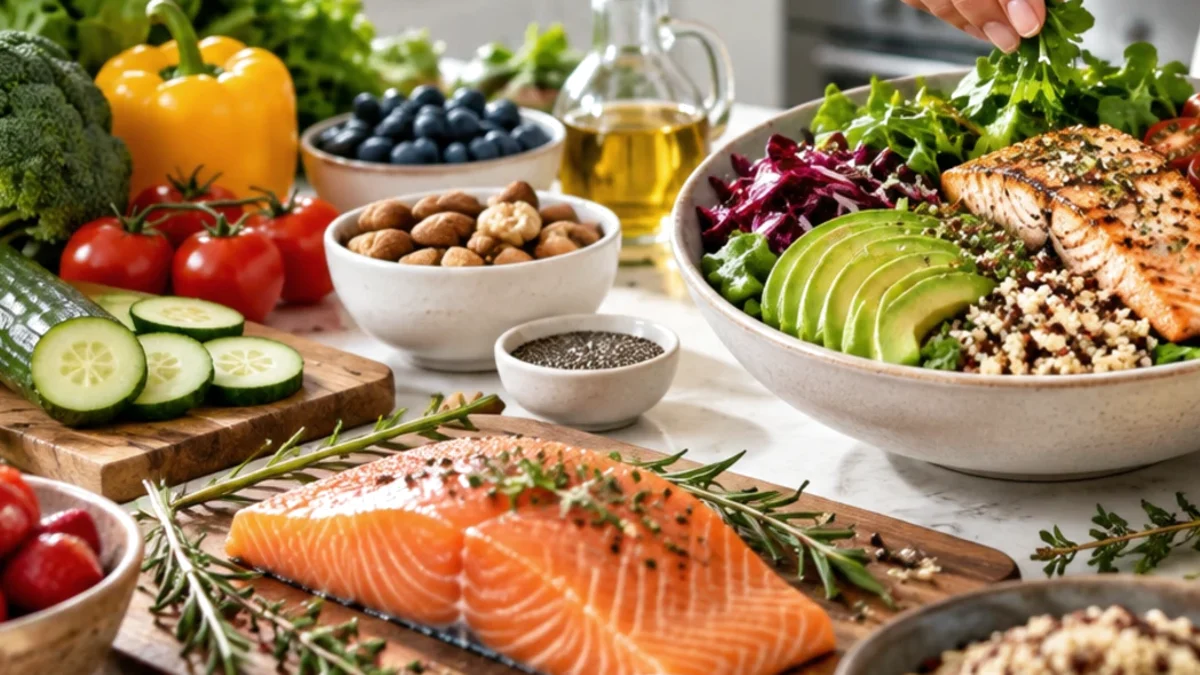
Oysters are particularly rich in zinc. Meat, poultry, fish, seafood, fortified cereals, beans, nuts, whole grains, eggs, and dairy can also contribute. A varied diet can meet needs for many people without a separate zinc product.
Who may be more likely to run low
People with some digestive conditions or gastrointestinal surgery may absorb less zinc. Vegetarian and vegan diets can provide zinc, but plant compounds called phytates can reduce absorption. Pregnancy and breastfeeding also increase zinc needs.
Why high doses deserve caution
Too much zinc can cause nausea, dizziness, headache, vomiting, stomach upset, and loss of appetite. Long-term excessive intake can lower copper levels and may affect immunity and HDL cholesterol. More is not safer.
Cold remedies and zinc
Some zinc lozenges or syrups have been studied for the common cold, but results depend on timing, dose, and product form. Avoid turning a short-term cold product into a high-dose daily habit without professional guidance.
A simple decision rule
If you are considering zinc because of hair loss, frequent infections, taste changes, or another symptom, remember that those symptoms have many possible causes. A clinician can help decide whether testing or supplementation makes sense.
Trusted references
- NIH Office of Dietary Supplements — Zinc Fact Sheet
- NIH Office of Dietary Supplements — Dietary Supplements Overview
Daily Vitality provides educational information, not medical diagnosis or treatment.