How to Lower Salt in Your Diet

Quick overview
This step-by-step guide walks you through 4 steps: build around whole foods, reduce the biggest excesses, add movement and recovery and track patterns consistently.
Use this article as a structured starting point. It is educational and not a diagnosis, but it is designed to help you act with more confidence and less confusion.
Step 1: Build around whole foods
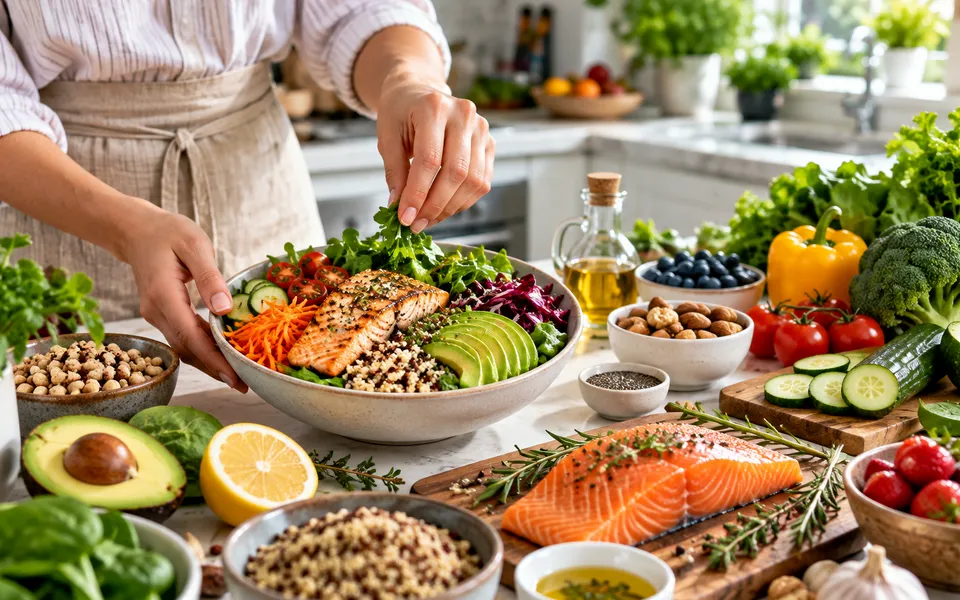
Start with meals built around vegetables, fruit, protein and less processed food. This step is most useful when you keep it simple, repeatable and matched to your real routine rather than trying to do everything at once.
Practical note: small details often matter here — such as clean towels, food labels, light pressure, gentle products, timing, hydration, or avoiding rushing through the step. The goal is to do the basics well enough that they actually help in everyday life.
Step 2: Reduce the biggest excesses
Cut back on high-sodium packaged foods and sugary drinks first. This step is most useful when you keep it simple, repeatable and matched to your real routine rather than trying to do everything at once.
Practical note: small details often matter here — such as clean towels, food labels, light pressure, gentle products, timing, hydration, or avoiding rushing through the step. The goal is to do the basics well enough that they actually help in everyday life.
Step 3: Add movement and recovery
Walking, stress support and sleep all influence heart-related wellbeing. This step is most useful when you keep it simple, repeatable and matched to your real routine rather than trying to do everything at once.
Practical note: small details often matter here — such as clean towels, food labels, light pressure, gentle products, timing, hydration, or avoiding rushing through the step. The goal is to do the basics well enough that they actually help in everyday life.
Step 4: Track patterns consistently
Use simple logs, check labels and keep an eye on habits over time. This step is most useful when you keep it simple, repeatable and matched to your real routine rather than trying to do everything at once.
Practical note: small details often matter here — such as clean towels, food labels, light pressure, gentle products, timing, hydration, or avoiding rushing through the step. The goal is to do the basics well enough that they actually help in everyday life.
Helpful wellness tools
Use these tools to support the routine.
Recommended resources
Go deeper with Daily Vitality product links.
Related reads
Keep exploring similar topics.
Daily Vitality note
This page is built for everyday education. If symptoms are severe, persistent, rapidly worsening, or connected with chest pain, fainting, breathing trouble, bleeding, dehydration or major pain, seek professional medical care.